
Have you ever watched a giraffe move across the grass? They do not rush. They do not make loud noises. They simply walk with a slow, calm grace that makes them stand out from every other animal.
A giraffe personality traits is defined by calm observation, quiet strength, and a gentle approach to social life. People with this character style prefer to watch and listen before acting, using their unique perspective to avoid unnecessary conflict.
Unlike aggressive predators or hyperactive herd animals, the giraffe moves through life with a slow, deliberate pace.
They do not feel the need to fight for attention. Instead, they rely on their natural height and quiet presence to navigate their world. By looking at how these animals live, we can learn a lot about how to handle our own lives with more peace and clarity.

Physical Traits That Define Giraffe Character
To understand the personality of a giraffe, we must first look at how their bodies are built. Their physical traits are not just for survival. They also explain the symbolic traits we associate with them.
The Massive Heart
A giraffe has a massive heart. It weighs about 25 pounds and must pump blood all the way up that long neck to the brain. Because of this, the giraffe is a natural symbol of deep emotional capacity and empathy.
People with a giraffe personality have a large capacity for kindness. They feel things deeply. If a friend is going through a hard time, a giraffe-type person does not just offer quick advice.
They sit with that friend and share the emotional weight. Their empathy is not loud or showy, but it is incredibly strong.
The High Vantage Point
Their height allows them to see predators from miles away. This physical trait translates to the trait of foresight and planning.
In daily life, this means keeping a broad perspective during chaos. When everyone else is panicking about a sudden change, the person with a giraffe personality steps back. They look at the big picture.
They ask themselves where this situation will lead in five years, rather than reacting to the stress of today.
The Quiet Voice
Giraffes rarely make loud sounds. For a long time, people thought they were completely silent. Now we know they communicate through low-frequency hums at night. This represents quiet communication and listening more than speaking.
In a world where everyone is shouting to be heard, the giraffe personality shows us the power of silence. They do not argue just to win. They speak only when they have something valuable to say, which makes their words carry much more weight.
Also Read:
Biblical Meaning & Spiritual Symbolism of a Giraffe
Giraffe Dream Meaning: Spiritual Interpretation of Giraffe Dreams
Core Giraffe Personality Traits Explained
Let us look closer at the specific characteristics of giraffe personality traits and styles. These traits show up in how they handle stress, work, and personal growth.
Observational Intelligence
Giraffes do not react instantly to noise. If they hear something in the grass, they do not run away immediately like a zebra might. Instead, they stand still and watch. They analyze the situation first.
In humans, this looks like a person who assesses a room before speaking. Imagine walking into a tense family gathering. An impulsive person might start talking immediately to fill the silence. A person with a giraffe personality will quietly observe the body language of others first. They wait until they understand the mood before they say a word.
Gentleness and Non-Aggression
Another giraffe personality traits is that giraffes avoid fights unless they have no other choice. They do not hunt other animals, and they do not fight over territory. They represent a peaceful approach to life’s problems.
Consider a situation where a coworker blames you for a mistake. A aggressive person might yell back. A giraffe personality will remain calm. They will state the facts quietly and clearly. They know that anger rarely solves a problem, so they choose peace over drama.
Vulnerability and Trust
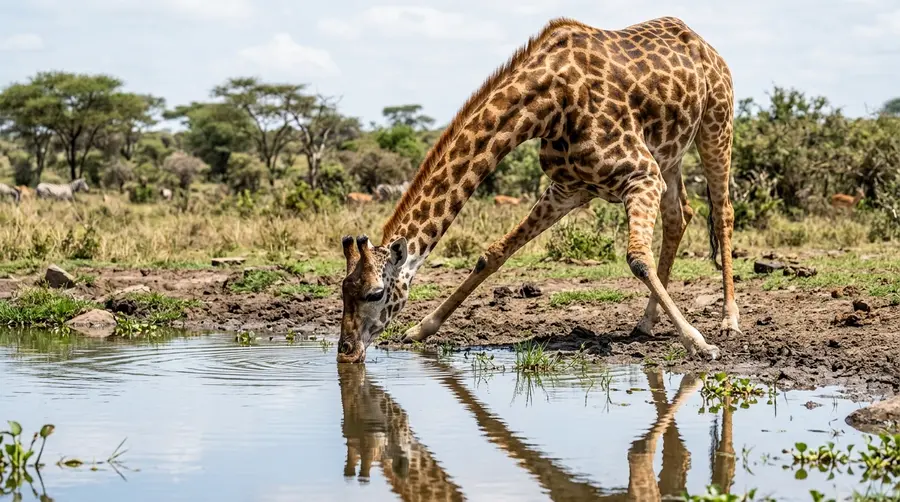
To drink water, a giraffe must spread its front legs wide and bend its long neck all the way down to the ground. In this position, they cannot see predators. It is a highly vulnerable position for them.
This behavior teaches us that even the strongest people must occasionally lower their guard to get what they need.
If you are facing a major life transition, you cannot do everything alone. You have to trust others and allow yourself to be vulnerable to grow.
How Giraffes Behave and Interact
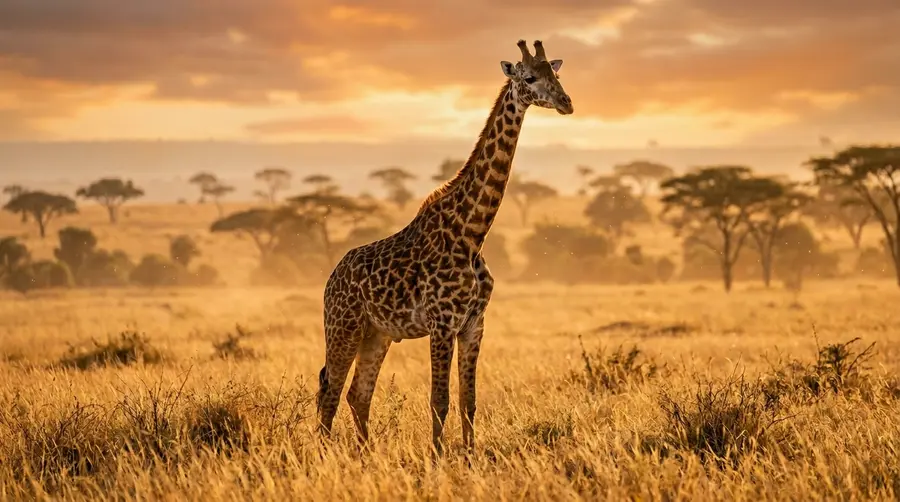
Giraffes have a unique way of socializing that is very different from other herd animals. Their social style is highly independent yet deeply connected.
The “Tower” and Loose Social Bonds
A group of giraffes is called a tower. They do not have strict, aggressive hierarchies. Instead, they practice what scientists call fission-fusion social behavior.
This means they come and going peacefully. One day a giraffe might hang out with five others, and the next day they might wander alone.
This represents a social style that values freedom and dislikes possessive relationships.
People with this trait love their friends, but they also need plenty of space. They do not like feeling trapped or controlled by social expectations.
Protective Instincts
While they are generally peaceful, mother giraffes are incredibly protective. If a lion gets too close to her calf, the mother will stand directly over her baby. She will use her powerful legs to deliver a kick that can easily kill a predator.
This represents a quiet protector. A giraffe personality traits might seem soft and gentle, but they have fierce strength when loved ones are threatened. They do not start fights, but they will absolutely end them if their family is in danger.

Are Giraffes Nice to Humans?
Many people wonder: are giraffes nice to humans? The answer depends on how we behave around them.
In the wild, giraffes are peaceful but shy. They prefer to keep their distance from humans. They do not see us as food, but they do see us as a potential threat. If you get too close, they will usually walk away slowly.
In sanctuaries or zoos, however, they can become quite friendly. They are curious animals. If they feel safe, they will gladly bend down to take food from a human hand. They enjoy gentle interactions.
This behavior teaches us a great lesson about boundaries. A giraffe is nice because it is secure in its space. But if you crowd them or make sudden movements, they will defend themselves. They show us that you can be gentle and still maintain strong personal boundaries.
Living with a Giraffe Personality
How do these traits apply to daily human life? You might recognize these patterns in yourself or in someone you love.
In Careers
In the workplace, the giraffe’s long-range vision makes them excellent planners and strategists. They make calm leaders who do not micro-manage. They prefer to give their team space to work, stepping in only when they see a problem on the horizon.
If you work with a giraffe personality, do not expect them to give loud motivational speeches. Instead, expect them to show you a clear, steady path forward.
In Relationships
In relationships, a giraffe personality is a steady, non-judgmental partner. They do not get upset over small things. However, their quiet nature can sometimes be mistaken for being distant or aloof.
If your partner has this personality, they might need time alone to recharge. This does not mean they do not love you. It just means they need to step back to keep their perspective clear.
Personal Growth Scenario
Imagine a person named Sarah who is facing a stressful career change. Her current job is secure, but she feels unhappy. Everyone around her is giving different advice. Some tell her to quit immediately, while others tell her to stay.
Instead of rushing into a decision, Sarah decides to adopt a giraffe perspective. She steps back from the noise. She looks at where she wants to be in ten years. By taking her time and observing her options quietly, she finds a new path that actually fits her long-term goals. She did not panic; she simply used her foresight to make a calm choice.
Expert Context: Real-World Observation
To understand the true nature of the giraffe, we can look at a simple biological fact.
Real-world observation: Giraffes spend up to 75% of their day standing and eating. Because they are so large and vulnerable to predators, they sleep for only about 30 minutes a day, usually in short bursts of just a few minutes at a time. Even when they sleep, they often do so standing up.
Symbolic connection: This biological reality connects to the trait of constant vigilance and groundedness. The giraffe teaches us that having a high perspective does not mean your feet leave the ground. You must stay fully awake and present in your daily life, even while you keep your head high in the clouds of big ideas.
Common Questions About Giraffe Behavior
Do giraffes make noise when they are angry?
No, giraffes do not make loud roars or screams. When they are angry or annoyed, they will make quiet grunts, snorts, or hissing sounds. This shows their preference for low-conflict communication.
How do giraffes show affection to each other?
They show affection through a behavior called necking. They will gently press their necks together or rub their heads against one another. It is a soft, physical way of building trust and showing care.
Is a giraffe personality introverted?
Yes, many traits of the giraffe align with introverted strengths. Their quiet observation, preference for small or loose social groups, and need for personal space are classic signs of an introverted character style.
Frequently Asked Questions
Q: What does it mean if I feel a strong connection to giraffes?
A: Feeling a connection to giraffes often means you value perspective, peace, and gentle communication. You might be someone who prefers to look at the big picture rather than getting caught up in daily drama.
Q: How do giraffes handle stress in the wild?
A: When stressed, giraffes rely on their height to look for safety. Instead of running immediately and causing panic, they stand still, observe the threat, and make a calm, calculated move to walk away.
Q: Do giraffes live alone or in groups?
A: Giraffes live in loose groups called towers. They do not have strict social rules or leaders. They practice fission-fusion social behavior, meaning they enjoy spending time with others but also value their independence and alone time.