
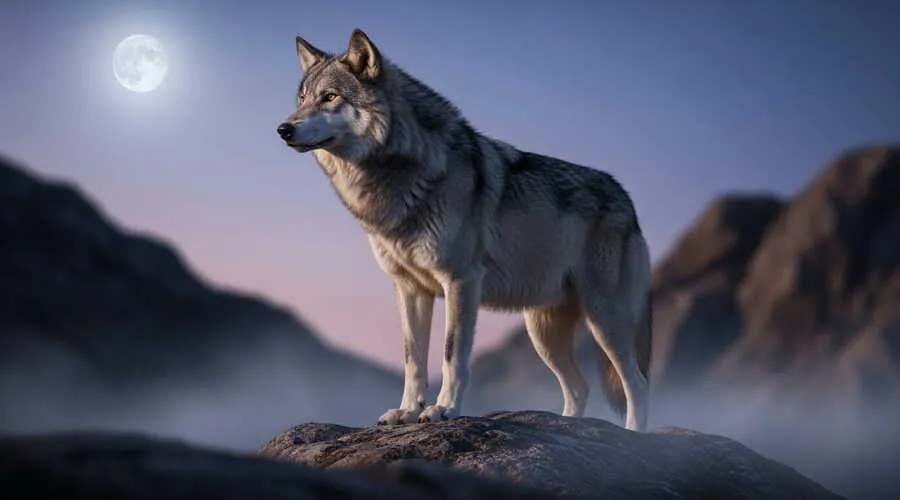
The wolf spirit animal meaning is often linked to instinct, loyalty, and listening to your inner voice. It’s not just about strength. It’s more about awareness,knowing when to trust yourself.
In many cultures, the wolf is seen as a symbol of independence, guidance, and quiet confidence.
If you’ve been seeing wolves, maybe in real life, dreams, or again and again, it can feel a bit unusual. Hard to ignore. In many cases, it’s not random.
These moments often connect to your path, your decisions, or something shifting in your life. The meaning can change depending on the situation. That’s where things start to get interesting.
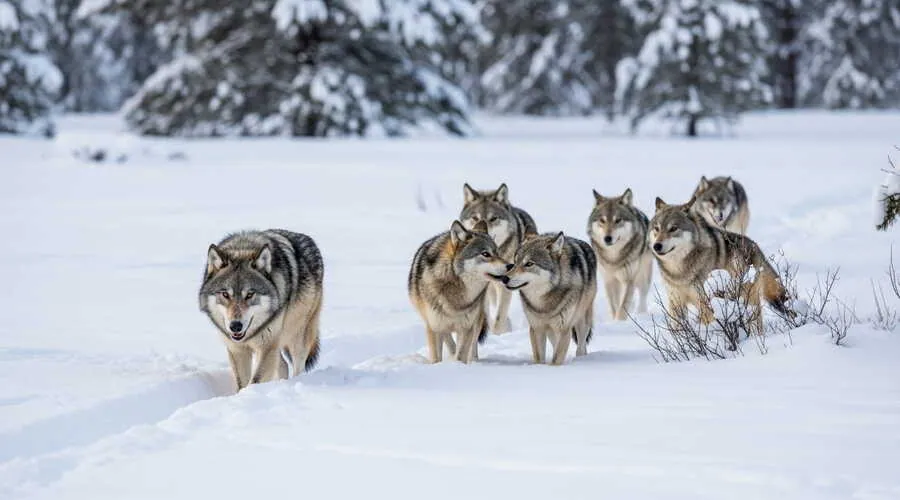
What Does the Wolf Spirit Animal Mean?
There’s something about the wolf that feels… familiar. Not in a surface-level way, but deeper. Like it reflects something people already sense about themselves.
The wolf spirit animal meaning often connects to instinct, awareness, and a kind of quiet confidence. Not loud or showy. More like knowing when to move, when to stay back, and who to trust.
Wolves don’t overthink their role in the wild. They just respond. And that seems to be part of the message here too.
It doesn’t always mean the same thing for everyone. But usually, it points back to one idea, “pay attention to your instincts“. There’s often more clarity there than it seems at first.
What does a wolf symbolize spiritually?
Spiritually, the wolf spirit animal meaning is often tied to intuition. That inner voice people tend to ignore… until something feels off.
It can also reflect awareness. Wolves are constantly observing their surroundings, picking up on small shifts. So when this symbol shows up, it might be nudging you to notice things more closely.
There’s also a strong sense of loyalty here. Not just to others, but to yourself. Your values, your direction.
And then there’s the idea of guidance. Not in a dramatic way. More subtle. Like being led toward something you were already sensing but hadn’t fully trusted yet.
What does the wolf represent in life and behavior?
If you look at how wolves actually live, a lot of their meaning starts to make more sense.
They rely on structure, but not rigid control. There’s a natural order in a pack, yet each wolf still has a role that fits its strengths. That alone says a lot about how this symbol is often understood.
Wolves are also patient. They don’t rush into things without reading the situation first. That kind of behavior tends to get reflected in the symbolism too.
Then there’s resilience. Wolves survive in tough conditions, but not by force alone.
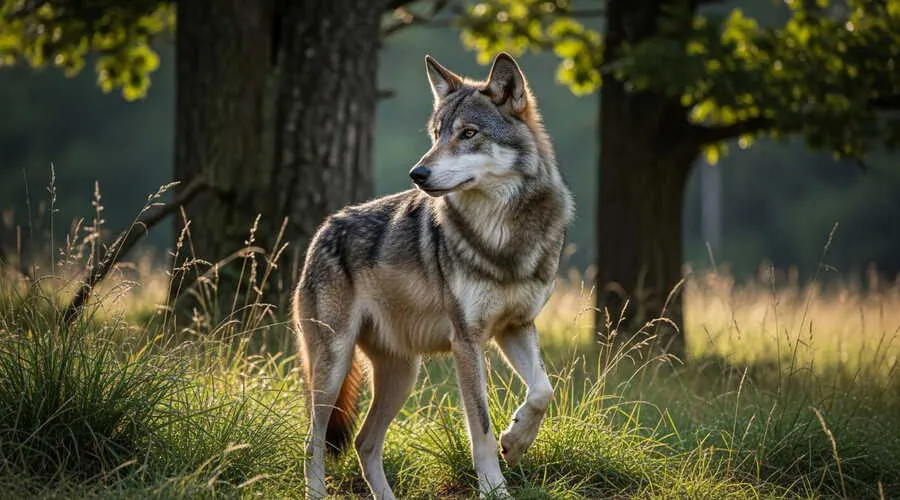
Wolf Symbolism: Instinct, Loyalty and Independence
When people talk about wolf symbolism, it usually comes back to behavior. How wolves move, how they survive, how they interact with each other.
Wolves don’t rely on guesswork. They observe, adapt, and respond. That’s why their symbolism often feels grounded rather than abstract.
Instinct and intuition
One of the strongest ideas tied to the wolf is instinct. Not the dramatic kind. It’s more like a steady inner signal that’s easy to overlook.
Wolves depend on this constantly. They read subtle changes in their environment and react without hesitation. That behavior tends to translate into meaning as well. When the wolf comes up symbolically, it can point toward trusting your own judgment.
Loyalty, family, and pack bonds
Wolves are rarely alone for long. Their connection to the pack is strong, and it’s built on cooperation more than control.
This part of their symbolism often reflects relationships, how people support each other, protect each other, and stay connected even in difficult situations. It’s not just loyalty for the sake of it. There’s purpose behind it
Independence and the lone wolf meaning
At first, the idea of a lone wolf seems like the opposite of everything else. No pack, no structure. Just complete independence.
But it’s not always about isolation. Sometimes it’s about stepping away when something no longer fits. Choosing your own direction, even if it’s uncertain.
Strength, survival, and awareness
Wolves survive in environments that aren’t exactly easy. But they don’t rely on strength alone.
They watch. They wait. They adjust.
That combination is what gives this meaning more depth. It’s not about pushing through everything head-on.
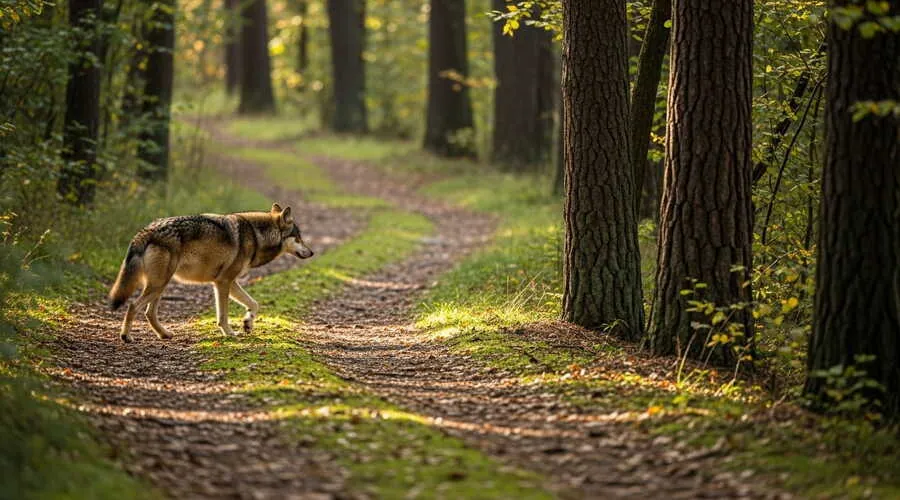
Wolf as a Spirit Animal, Totem and Guide
The wolf spirit guide meaning usually leans toward direction and awareness. Not in a loud, obvious way. More like a quiet influence that shapes how you respond to things. It’s less about symbolism here, more about how that presence fits into your life.
Wolf as a spirit animal
When the wolf is seen as a spirit animal, it often reflects traits that already exist within you. Not something external, but something familiar.
People who connect with this tend to notice strong instincts, a need for both independence and connection, and a habit of observing before acting. It’s not always consistent, though. Sometimes these traits feel clear, other times a bit distant.
Wolf totem meaning and guidance
A wolf totem feels more steady. Less about change, more about something that stays with you over time.
It’s often linked to guidance through patterns. Like how you make decisions, how you handle relationships, how you respond under pressure.
Wolf as a spirit guide
As a spirit guide, the wolf spirit animal meaning usually connected to direction. Not direct answers, but small nudges.
It might show up during uncertain phases like when things feel unclear or unsettled.
Some people describe it as a presence that helps them stay aware of what’s happening beneath the surface. Not changing the path, just helping you see it more clearly.
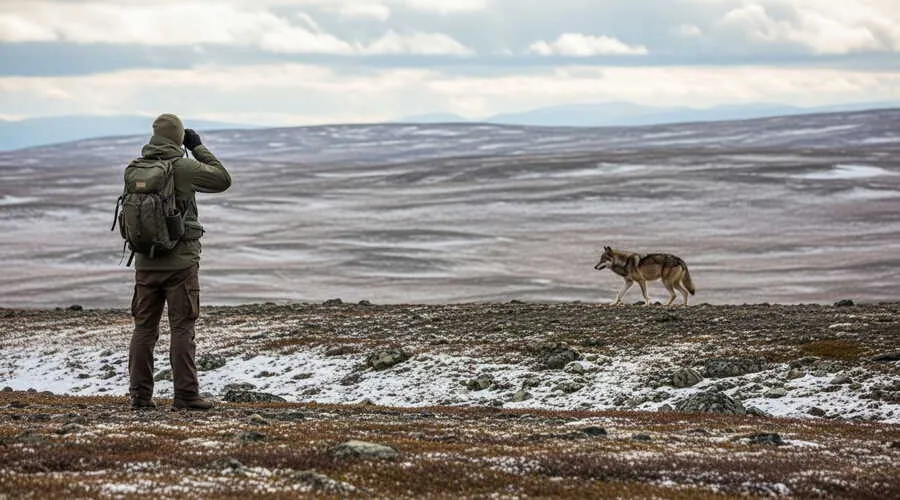
What Does It Mean When You See a Wolf?
| Situation | Meaning |
|---|---|
| Seeing a wolf | A sign of awareness and trusting your instincts |
| Seeing a wolf at night | Something hidden or unclear needs attention |
| Seeing a wolf during the day | A clear message—you may already know what to do |
| Wolf crossing your path | A shift or decision point in your life |
| Wolf staring at you | A reminder to look deeper into a situation |
| Wolf following you | Guidance that keeps appearing until you notice it |
| Seeing wolves repeatedly | A pattern—something important is being overlooked |
The seeing a wolf spiritual meaning often connects to awareness. Noticing something important, even if you can’t quite name it yet. Wolves don’t appear randomly in nature either. They move with purpose.
In many cases, it can suggest you’re being pushed to trust your instincts a bit more. Maybe there’s a situation where something feels slightly off, or maybe you’re being guided toward something that requires more confidence.
What does it mean when you see a wolf?
When you see a wolf, the wolf spirit animal meaning often depends on how the moment felt rather than just what happened.
If it felt calm, almost neutral, it can point toward awareness. Like you’re being asked to observe more closely before making decisions. Wolves don’t rush, and that behavior seems to reflect here too.
In other cases, it might connect to independence. Especially if you’ve been relying too much on others or avoiding your own direction.
The wolf can show up as a kind of quiet reminder, stand on your own, even if it feels uncertain. There’s a more detailed explanation here: Seeing a Wolf Spiritual Meaning: Is It a Good or Bad Sign?
Is seeing a wolf a good or bad sign?
This part is a bit tricky, because it doesn’t really fall into a simple “good” or “bad” category.
In many situations, seeing a wolf is neutral. It’s more like a signal than a judgment. It can feel positive if it points you toward clarity or confidence. But it might feel unsettling if it brings attention to something you’ve been avoiding.
Some people see it as a warning, others as guidance. And honestly, it can be both depending on what’s happening in your life.
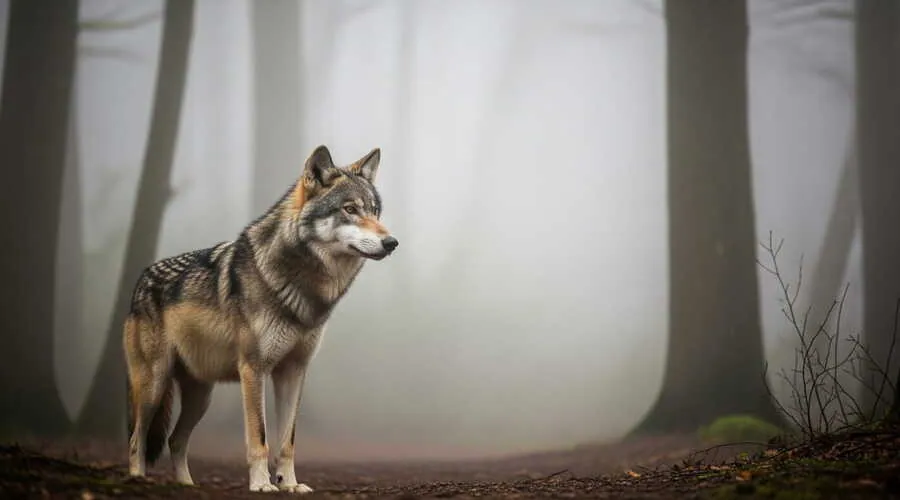
Why Do You Keep Seeing Wolves?
Seeing a wolf once can feel unusual. But when it happens more than once, it starts to feel different. Harder to ignore.
If you keep wondering, why do I keep seeing wolves, it often points to repetition for a reason. Not necessarily something dramatic. More like a pattern trying to get your attention.
Seeing wolves repeatedly
When wolves show up repeatedly, it usually creates a certain feeling. Not always clear, but noticeable.
People who experience this often describe a sense of being watched over. sometimes the opposite, like they need to be more alert. It depends on the situation. Repetition tends to mean the message didn’t fully land the first time.
Wolf appearing again and again
When a wolf keeps appearing, whether in real life, thoughts, or even small signs, it often feels less random over time.
There’s usually a connection to something ongoing in your life. A situation that hasn’t fully resolved, or a choice that’s still unclear.
The repeated presence can act like a quiet reminder. Like stay aware, don’t rush, trust your own judgment a bit more.
Seeing a Wolf in Different Situations
Sometimes it’s not just seeing a wolf. It’s how and when it happens. That detail tends to change the feeling of the moment.
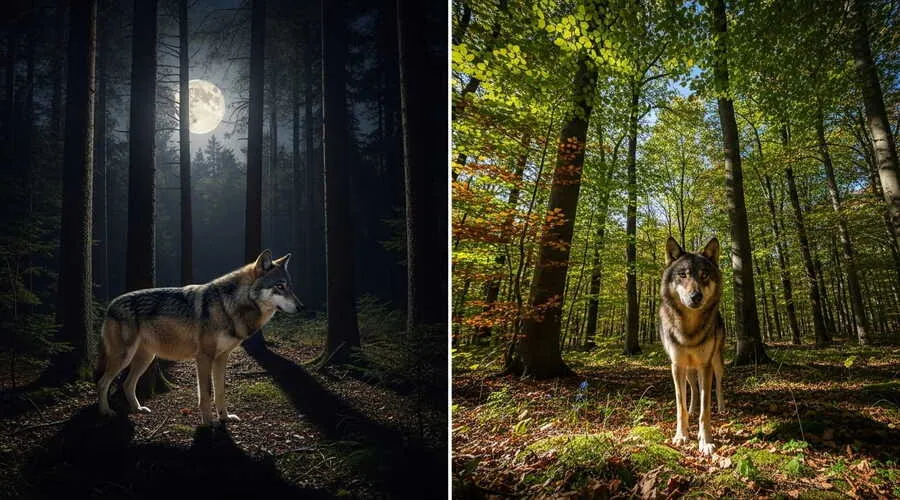
The seeing a wolf at night meaning can feel very different from seeing one during the day, and small things like movement or behavior often shift the interpretation too. These situations don’t always mean something deep on their own, but they can add context.
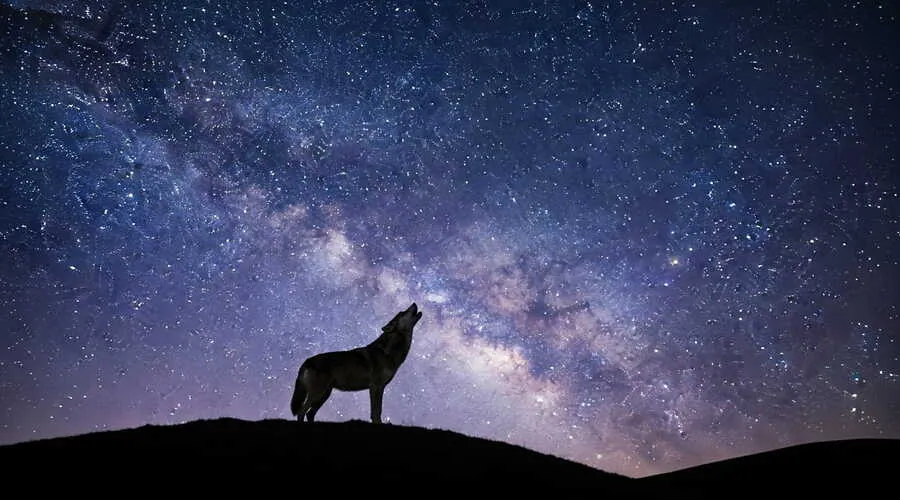
Seeing a wolf at night vs during the day
Seeing a wolf at night often carries a quieter, more inward feeling. It can suggest something hidden or not fully understood yet. Maybe a thought or situation that hasn’t surfaced clearly.
During the day, it feels different. More direct. Sometimes it points to something already in front of you, something you’re aware of but haven’t fully acted on.
Wolf crossing your path
When a wolf crosses your path, it tends to stand out. There’s movement, direction, almost like something is shifting.
This kind of encounter can suggest a change or a decision point. Not always big, but noticeable. It might be a sign to pause and think about where you’re heading, or whether something needs adjusting.
Wolf staring at you or following you
This type of encounter can feel more intense. Being watched or followe, creates a different kind of awareness.
Sometimes it reflects attention. Like something in your life needs a closer look, even if you’ve been avoiding it. Other times, it can point to instinct again—trusting your reactions instead of brushing them aside.
It’s not always comfortable, but that discomfort can be part of the message. There’s usually more behind it depending on the situation.
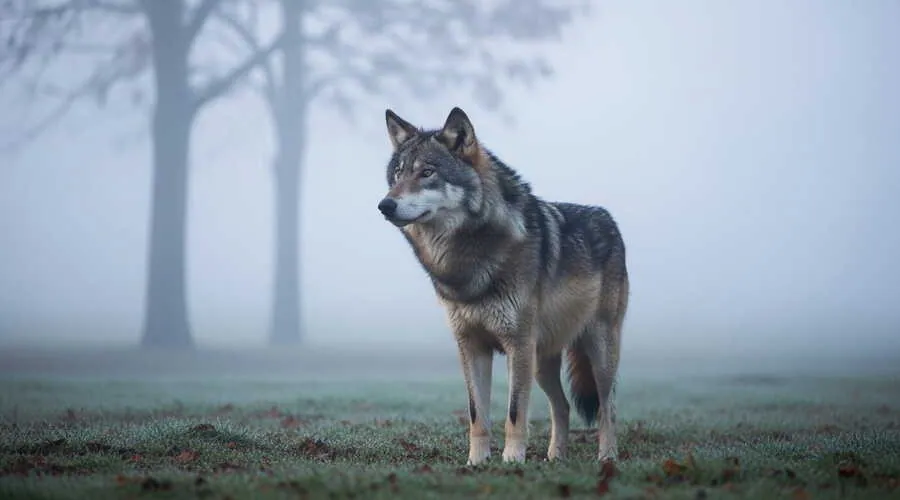
Wolf Dream Meaning
Dreams with wolves can feel vivid. Sometimes a bit unsettling, sometimes calm. It depends on the tone of the dream more than anything.
The wolf dream meaning often connects to instinct and emotion. Things that aren’t always clear when you’re awake. It’s less about the literal wolf and more about what it’s doing and how it feels in the moment.
What does it mean to dream about a wolf?
Dreaming about a wolf often reflects something internal. Not always obvious, but present.
In many cases, it can suggest awareness. Like your mind is picking up on something you haven’t fully processed yet. Sometimes it’s about trust, either in yourself or someone around you.
The feeling of the dream matters a lot here. Calm dreams tend to point toward clarity, while uneasy ones can hint at something unresolved
Wolf chasing or attacking in a dream
When a wolf is chasing or attacking in a dream, it usually brings tension with it.
This kind of dream can suggest avoidance. Something you’re not facing directly, even if you’re aware of it. The chase often reflects pressure both internal or external.
It doesn’t always mean danger in a literal sense. More like a signal that something needs attention before it grows into something harder to deal with
Friendly wolf dream meaning
A calm or friendly wolf in a dream tends to feel different right away.
It often connects to trust. Either building it or realizing it’s already there. Sometimes it reflects a sense of guidance. Like you’re moving in the right direction even if things aren’t fully clear yet.
There’s usually less tension in these dreams, more balance. But even then, the meaning can shift depending on what else is happening around it. If you’ve seen wolves in a dream, the meaning can be more personal. Read the full wolf dream interpretation.
Wolf Behavior and Actions: What They Might Mean
Sometimes it’s not just seeing a wolf, but what it’s doing that stands out. Small actions can shift the meaning quite a bit.
The wolf howling meaning often gets attention because it feels symbolic on its own, but other behaviors matter too. Watching, sudden appearances… they all carry slightly different signals.
These moments are usually brief, but they leave an impression. And that’s often where the meaning sits, in how the action felt rather than just what happened. There’s more to this depending on the situation.
Wolf howling meaning
A wolf howling tends to feel like a call. Not always loud in meaning, but noticeable.
It’s often linked to communication. Something being expressed or needing to be heard. Sometimes it reflects your own voice, especially if you’ve been holding things back.
In other cases, it can suggest connection. Wolves howl to stay in touch with their pack, so symbolically, it might point toward reaching out or reconnecting.
Wolf watching you or appearing suddenly
When a wolf is watching you, or appears out of nowhere, the feeling is usually sharper. More focused.
This kind of moment often connects to awareness. Like something around you or within you needs closer attention. It might be subtle, something easy to overlook unless you pause.
A sudden appearance can also suggest timing. That something is happening now, not later. Not urgent exactly, but present.
Different Types of Wolves and Their Meanings
Not all wolves carry the same feeling. Color and setting can shift the wolf spirit animal meaning in subtle ways.
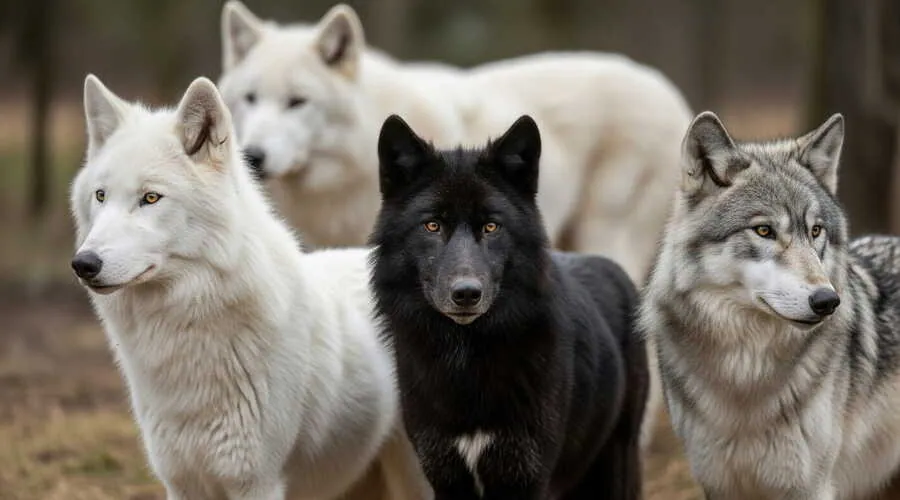
The white wolf spiritual meaning is often seen as more clear or guiding, while darker or neutral tones tend to reflect different sides of awareness. It’s not fixed, though. These variations usually add context rather than change everything completely.
White wolf meaning
A white wolf often gives a calmer impression. There’s a sense of clarity to it, even if the situation itself isn’t fully clear yet.
It can suggest guidance. Not loud or obvious, but steady. Like something is pointing you in a direction without forcing it. People who notice this sometimes feel a quiet reassurance, even if they don’t fully understand why.
A white wolf carries a very different meaning. See what makes it so rare and powerful: Spiritual Meaning of Seeing a White Wolf (Good or Bad Sign?)
Black wolf meaning
A black wolf usually feels heavier. Not negative exactly, but more tied to the unknown.
It can point toward things that aren’t fully understood such as thoughts, emotions, or situations that haven’t been faced directly. Sometimes it reflects the parts people tend to avoid or overlook.
There’s also a sense of depth here. Not surface-level meaning, but something that takes time to figure out. It often asks for attention rather than immediate answers.
The black wolf carries a very different meaning. See why it’s often misunderstood. Read: Spiritual Meaning of Seeing a Black Wolf (Good or Bad Sign?)
Grey wolf meaning
The grey wolf tends to sit somewhere in between. Not extreme, not simple.
It’s often linked to balance. Holding two sides at once, logic and instinct, independence and connection. This kind of symbolism usually shows up when things aren’t clearly one way or the other.
It can suggest you’re in a middle phase. Not stuck, just moving between states. And that space, while uncertain, often carries its own kind of clarity.
Lone wolf vs pack of wolves
Seeing a lone wolf feels very different from seeing a pack. One leans toward independence, the other toward connection.
A lone wolf can suggest stepping away, relying on yourself, figuring things out alone for a while. Not permanent, just part of a phase.
A pack, on the other hand, reflects support and shared direction. Working with others, even if it requires compromise.
Neither is better. It usually depends on where you are in your own situation.
Wolf Meaning in Different Cultures
The way people understand wolves changes depending on where you look. Different cultures have their own stories, and those stories shape the meaning in subtle ways.
The native american wolf meaning often feels more balanced. Neither fully positive nor negative, but something in between. Other traditions lean differently. Some see guidance, others see warning.
It’s not about one being right. More like different perspectives on the same symbol.
Native American wolf meaning
In many Native American traditions, the wolf is tied to loyalty, teaching, and strong social bonds.
It’s often seen as a guide. Something that helps you understand your place within a group, while still keeping your individuality. There’s a sense of respect in how wolves are viewed, especially in how they protect and cooperate.
It’s not just symbolic either. The behavior of wolves plays a big role in how this meaning developed over time.
Celtic wolf symbolism
In Celtic traditions, the wolf is often linked to instinct and the wild side of nature.
There’s a connection to guardianship as well. Like protecting land, territory, and sometimes deeper spiritual spaces. Wolves appear in myths as both protectors and forces that can’t be controlled.
That mix makes the meaning a bit layered. Not purely one thing, but something that reflects both strength and unpredictability
Biblical meaning of wolf
In a biblical sense, the wolf is usually seen in a different light.
It’s often connected to danger or deception, especially in stories where wolves appear as threats rather than guides. That contrast stands out when compared to other cultures.
Still, even here, the meaning isn’t flat. It can point toward awareness, being cautious, paying attention to what’s happening around you.
Wolf Spirit Animal Personality and Traits
The wolf spirit animal personality is often linked to awareness, independence, and a strong sense of connection. But it’s not always all at once. Some people lean more toward solitude, others toward close bonds.
It’s not fixed either. These traits can shift depending on what you’re going through, or what you’re starting to notice about yourself.
Common personality traits
People who relate to the wolf often have a strong sense of awareness. They notice small changes such as tone, behavior, patterns etc.
There’s usually a mix of independence and loyalty. Wanting space, but still valuing a close circle. Not overly social, but not disconnected either.
Intuition tends to play a role too. Decisions aren’t always based on logic alone. Sometimes it’s just a feeling that turns out to be right more often than expected.
Strengths and challenges
The strengths are fairly clear. Adaptability, resilience, and the ability to read situations well. People with this kind of energy often stay steady even when things shift around them.
But there are challenges too.
Independence can sometimes turn into isolation. Awareness can become overthinking. And trusting instincts isn’t always easy when doubt starts creeping in.
It’s a balance more than anything. Knowing when to rely on yourself, and when to let others in. That’s usually where the real growth happens.

What Does a Wolf Mean in Your Life?
At some point, the question becomes more personal. Not just what the wolf means in general, but what it might mean for you.
The idea of what does a wolf mean spiritually in your life usually connects to timing. When it appears, what’s going on around you, how it made you feel. Those details tend to matter more than any fixed meaning.
It often feels like a reflection rather than a message being delivered directly. Something already present, just becoming a bit more noticeable
Wolf as a guide during life changes
The wolf often shows up during periods that feel uncertain. Not necessarily chaotic, but shifting.
It can suggest movement. Leaving something behind, or stepping into something new without fully knowing how it will turn out. That’s where the wolf’s behavior starts to make sense.
Some people notice this during transitions. Career changes, relationship shifts, even internal changes that aren’t visible to others.
Messages the wolf may be bringing
The message isn’t always clear at first. Sometimes it’s subtle, almost easy to ignore.
It can be about trust. Not just trusting others, but trusting your own sense of things. Even when it doesn’t line up perfectly with logic. Other times, it might point toward awareness.
It’s rarely one single meaning. More like a direction or a feeling that keeps coming back until you notice it.
And even then, it can shift depending on where you are in your life.
Understanding the Message Behind the Wolf
By this point, the meaning of the wolf probably feels less like a fixed idea and more like something that shifts depending on the moment. That’s usually how the wolf spiritual meaning works. It doesn’t stay the same for everyone.
What matters more is how it connects to your own experience. The timing, the feeling, what was happening around you. Those details tend to shape the wolf spiritual animal meaning more than any general explanation.
How to interpret your experience
Trying to interpret something like this isn’t about finding a perfect answer. It’s more about noticing patterns.
Think about when it happened. What was on your mind, what you were dealing with, even how you felt in that moment. People who reflect on those details often start to see small connections.
It might not make sense immediately. That’s fine. Sometimes meaning builds slowly, piece by piece, rather than all at once.
Listening to your instinct
There’s a reason instinct keeps coming up with the wolf. It’s kind of central to everything else.
But listening to it isn’t always easy. Doubt tends to get in the way, or logic starts taking over too quickly. Still, that initial feeling—the one that shows up first—is often worth paying attention to.
It doesn’t mean you act on it without thinking. More like you acknowledge it, let it sit for a moment.
Over time, that awareness tends to get clearer. Not louder, just easier to recognize.
Frequently Asked Questions
Is seeing a wolf a good or bad sign?
It’s not strictly good or bad. It depends on the context. In many situations, it acts more like a signal than a judgment. It can feel positive if it guides you, or slightly uncomfortable if it brings attention to something you’ve been avoiding.
What does a wolf mean in dreams?
Wolf dreams often connect to your inner state. A calm wolf may suggest trust or guidance, while a chasing or aggressive wolf can point to fear or something you’re avoiding. The feeling of the dream matters more than the exact details.
What does a lone wolf symbolize?
A lone wolf often symbolizes independence and self-reliance. It can appear during times when you’re figuring things out on your own. Not necessarily isolation—more like a phase of personal growth.
What does a white wolf mean spiritually?
A white wolf is often linked to clarity and guidance. It can suggest that you’re being led in a certain direction, even if things aren’t fully clear yet. The feeling is usually calm rather than intense.
What does it mean when a wolf crosses your path?
When a wolf crosses your path, it can suggest a shift or decision point. It’s often a moment to pause and think about where you’re heading. Not always a big change, but something worth noticing.
What does the wolf spirit animal represent?
The wolf spirit animal usually represents intuition, loyalty, and independence. People who connect with it often value both personal space and meaningful relationships. It’s more about balance than extremes.